Type Size
Est. 1841 · Victoria City Sai Ying Pun Special Edition Price: One Jiao · 壹角
叮 叮 郵 報
The Ding Ding Post
“Riding the rails of history from Kennedy Town to Shau Kei Wan”

Three Tales of Sai Ying Pun:
The Western Camp That Became a City

A special investigation into the birth, death, and resurrection of Hong Kong’s most storied neighbourhood — from the first flag to the last ghost. Slide to compare history with imagination.

Part I — The Founding Page 1
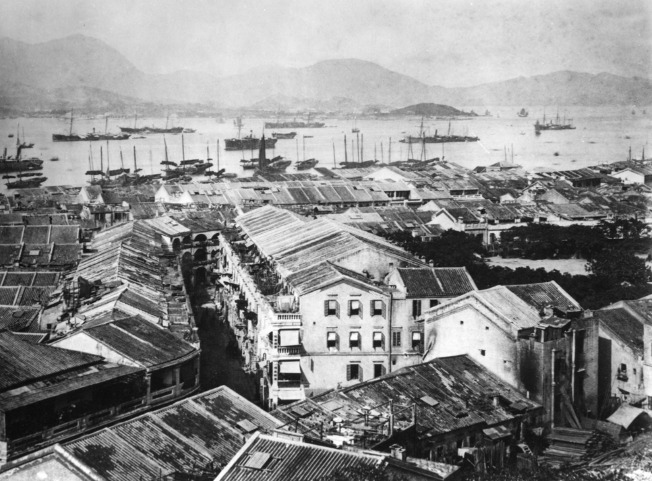
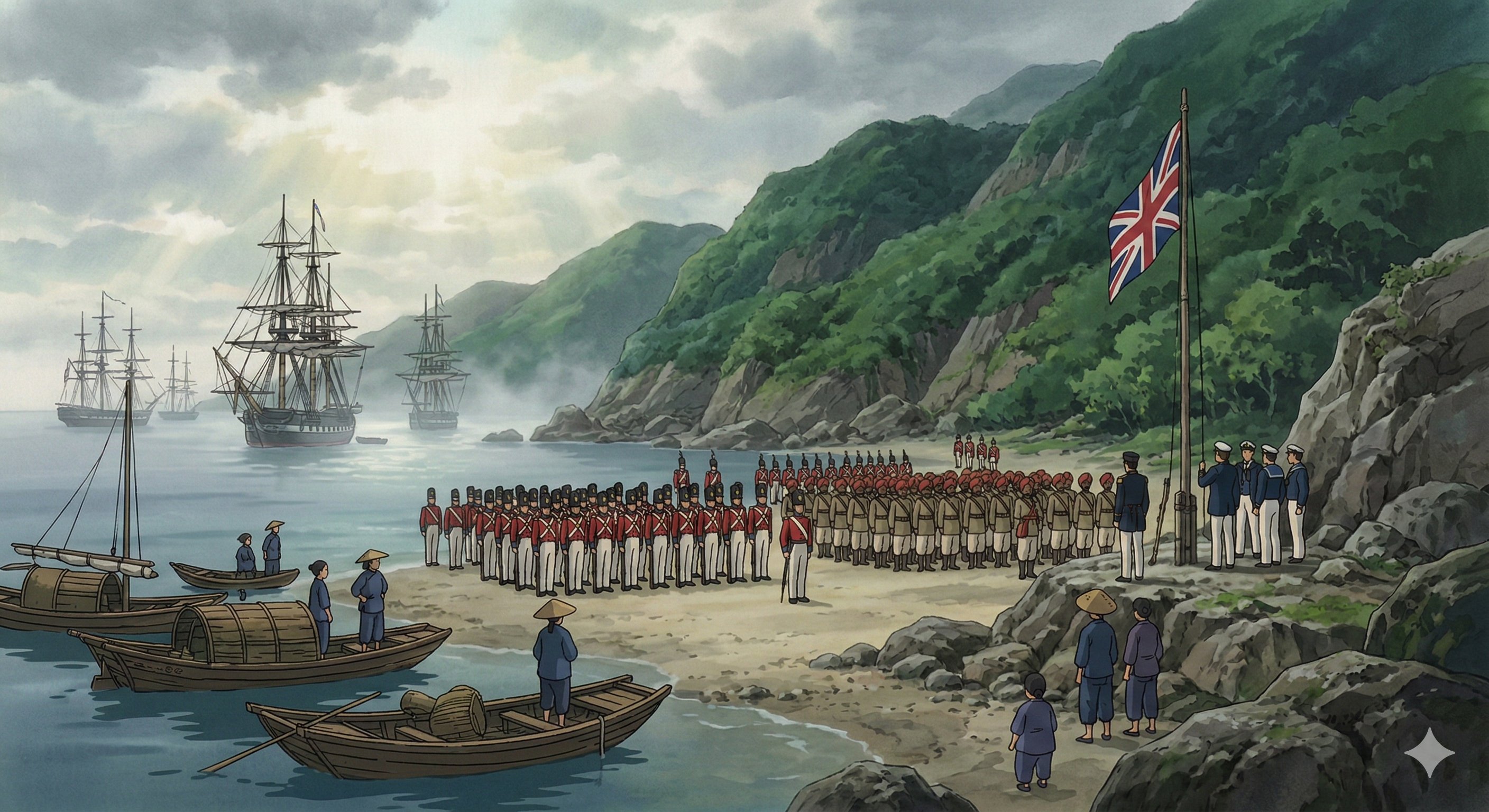
Photograph of Possession Point, Hong Kong, circa 1897 — showing the harbour and early colonial settlement Ghibli-style illustration of the 1841 British flag raising at Possession Point, Hong Kong
Photograph · c. 1897
Artist’s Impression · 2026
← Drag to compare →
Special Report

“The First Flag”

How 800 Indian soldiers and a single flag changed the fate of a fishing village forever

The morning of January 26, 1841, was grey and cold on the northwestern shore of Hong Kong Island. A flotilla of British warships sat anchored in the harbour, their masts cutting black lines against the overcast sky. On the rocky beach below — a place the Tanka fishermen called Shui Hang Hau — six thousand souls lived their quiet lives. Fishermen mended nets. Hakka charcoal burners trudged up the green hillsides. Nobody knew that by sundown, their world would belong to someone else.

Commodore Gordon Bremer stepped ashore first. He was commander-in-chief of all British forces in China, come to collect on a deal struck six days earlier in the Convention of Chuenpi: Hong Kong Island for a ceasefire. Behind him came the Royal Marines in red coats. And behind them800 Indian soldiers of the Bengal Volunteers, men from the plains of Bengal planting a flag on a shore they had never seen.

The Union Jack was raised. The Marines fired a feu de joie — a rippling cascade of celebratory gunfire rolling like thunder across the harbour. The warships answered with a full royal salute. A toast was raised to Queen Victoria. And just like that, Hong Kong was born.

“The Cantonese-speaking locals gave it a name of their own: 西營盤 — Sai Ying Pun — The Western Military Camp.”

The British named the spot Possession Point and the coast road Queen’s Road — the first road built in Hong Kong. The locals named the camp that spread westward: Sai Ying Pun. By May, the census counted 7,450 people. The Bengal Volunteers are gone now. But every time a train announcement echoes through the MTR station, it speaks the memory of that cold morning and the 800 soldiers who accidentally named a neighbourhood for eternity.
Continued overleaf →
Part II — The Plague Page 2
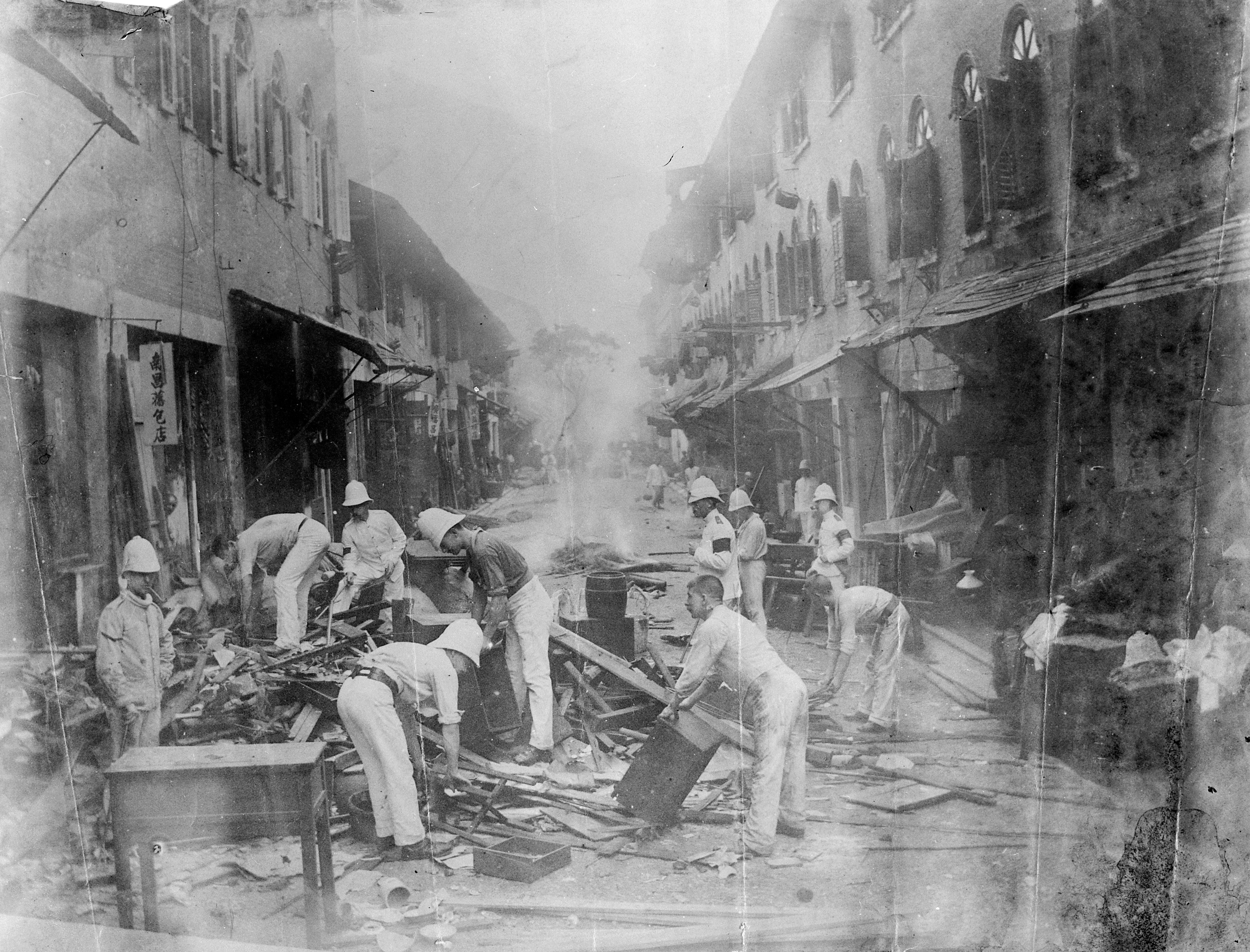
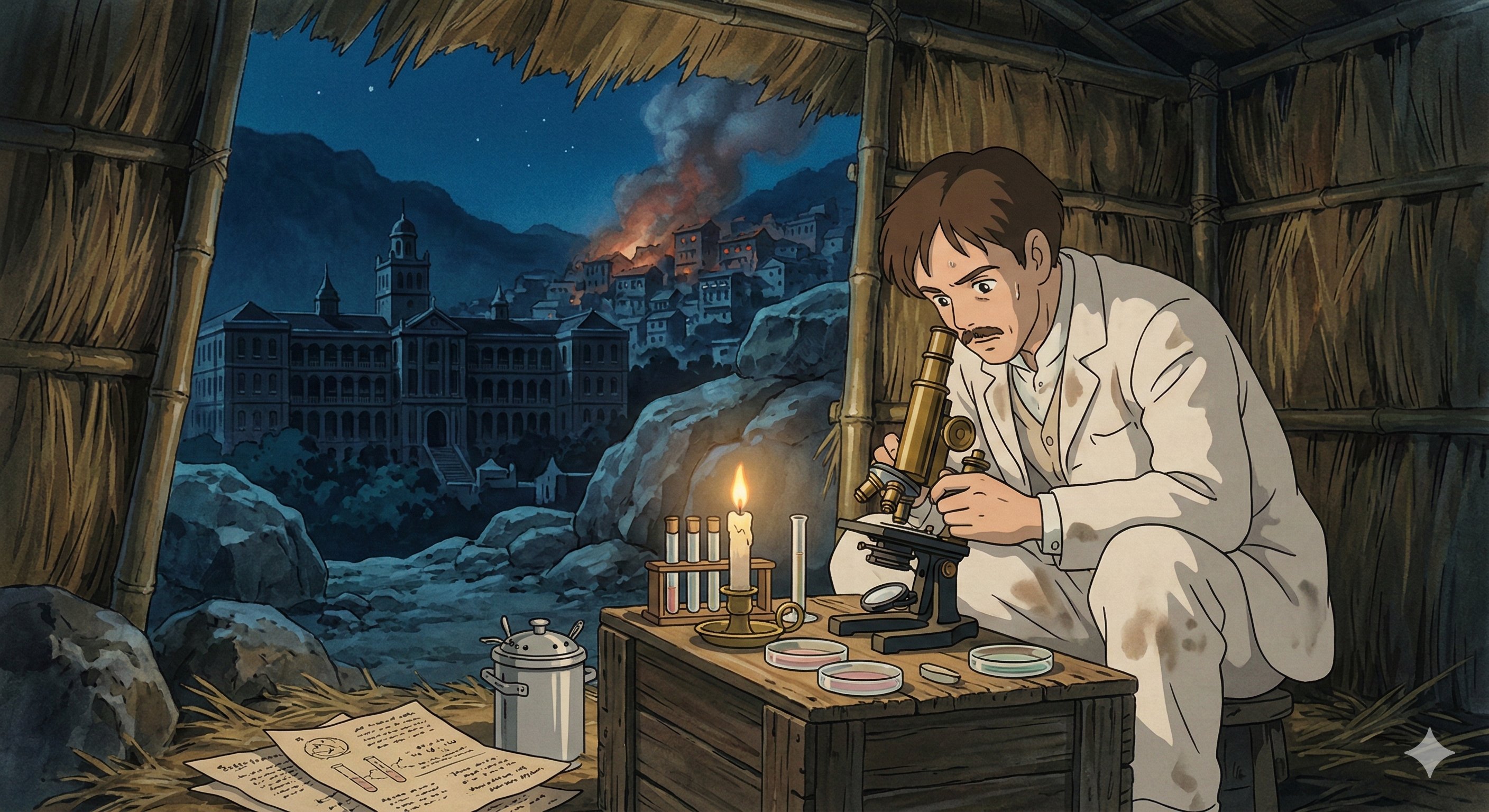
Photograph of the Shropshire Regiment cleaning plague houses in Taipingshan, Hong Kong, 1894 — soldiers in white limewashing buildings Ghibli-style illustration of Alexandre Yersin working by candlelight in a straw hut during the 1894 Hong Kong plague
Photograph · 1894
Artist’s Impression · 2026
← Drag to compare →
Investigative Report

“The Scientist in the Straw Hut”

How a lone Frenchman, locked out and desperate, bribed his way to one of the greatest discoveries in medical history

By the spring of 1894, something terrible had crawled out of the gutters of Sai Ying Pun. It started in the tenements of Taipingshan — families of ten crammed into single rooms, rats threading through the walls. In early May, people began to die. The bubonic plague. Soldiers went door to door. 384 buildings were demolished. Seven thousand people made homeless. Nearly 100,000 Chinese labourers fled the colony in a mass exodus.

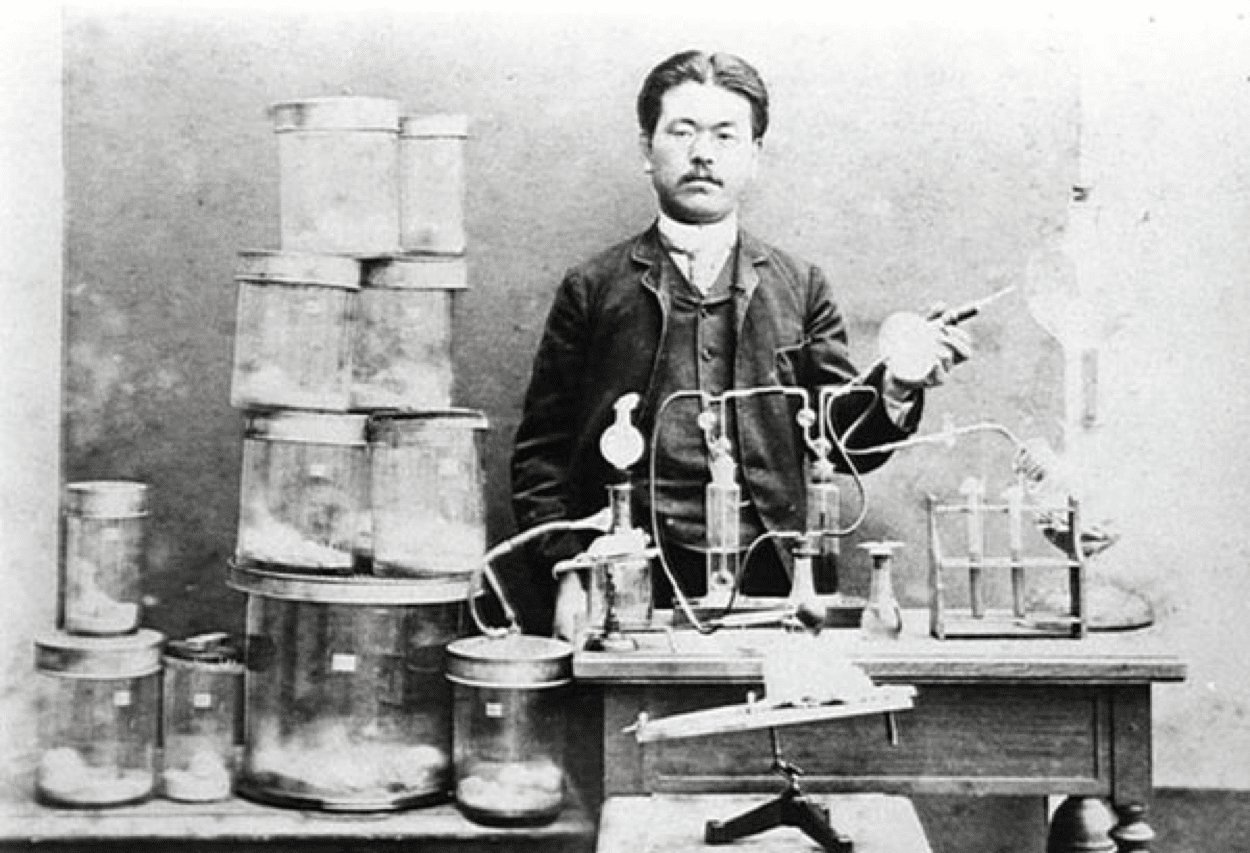
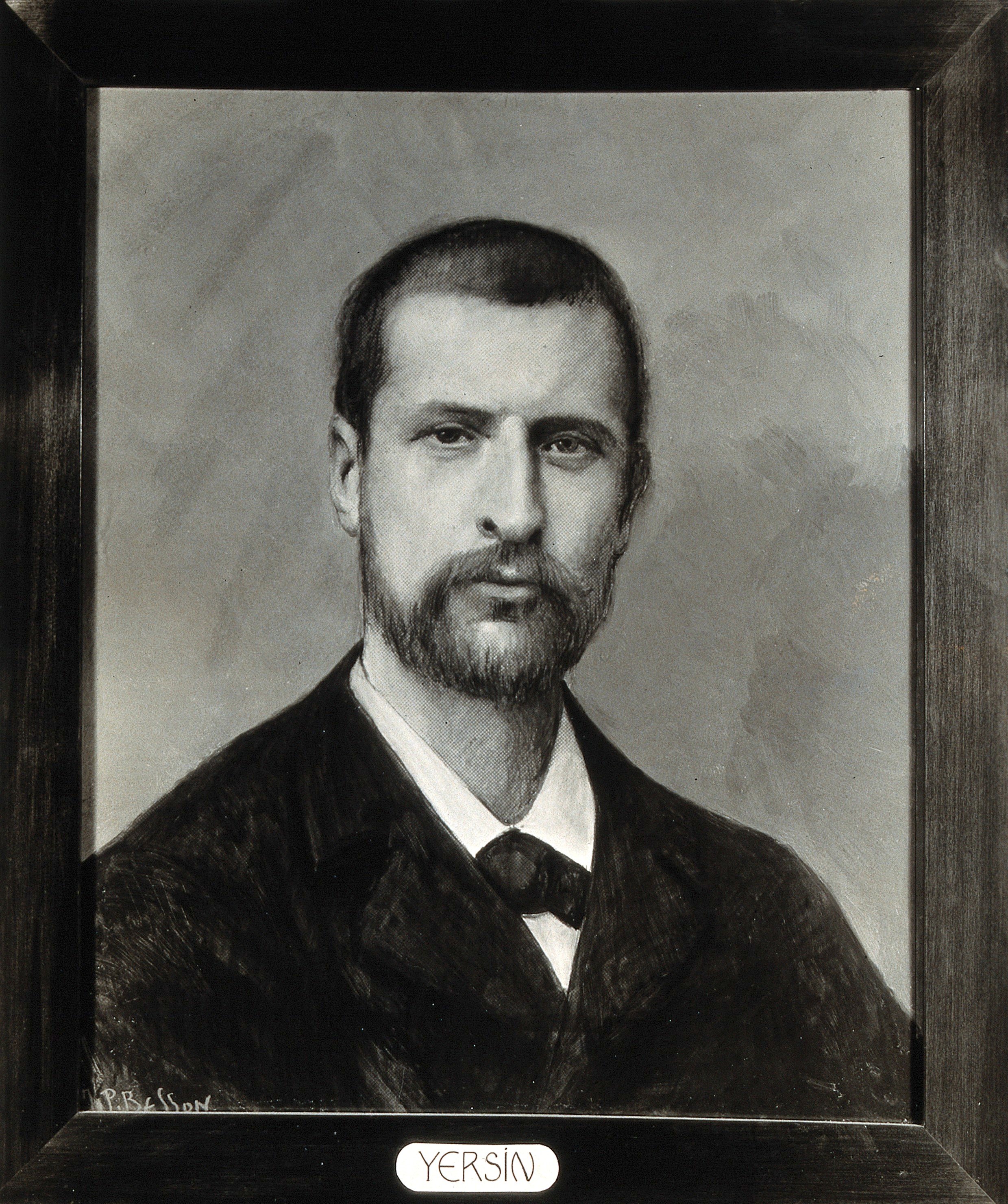
Two rival scientists arrived. Kitasato Shibasaburo, dispatched by Japan with a team of five, was given full hospital access. He announced his discovery on June 14th. Ten days later came Alexandre Yersin, Swiss-French, 31, from the Pasteur Institute in Saigon. He came alone, with a microscope in his bag. The British refused him access to everything.

🇯🇵
Portrait of Kitasato Shibasaburo, Japanese bacteriologist, 1894
Kitasato Shibasaburō
Japan · Team of five
Full hospital access
🇫🇷
Portrait of Alexandre Yersin, Swiss-French bacteriologist, 1894
Alexandre Yersin
Swiss-French · Alone
Refused all access
“He built a straw hut near the hospital. Then he bribed the English sailors who carried the dead.”

Working by candlelight in his makeshift shelter, Yersin extracted fluid from a bubo, placed it under his microscope, and saw gram-negative bacilli. He sealed a specimen in a glass tube and mailed it to Paris. Kitasato’s report was later found riddled with confusion. The bacterium was named Yersinia pestis — in Yersin’s honour. Over 2,000 died in Hong Kong, marking the start of the Third Pandemic that killed millions worldwide. Sai Ying Pun carried a new reputation: a place of death, a place the ghosts had not yet left.

← Continued overleaf
Part III — The Ghost House Page 3
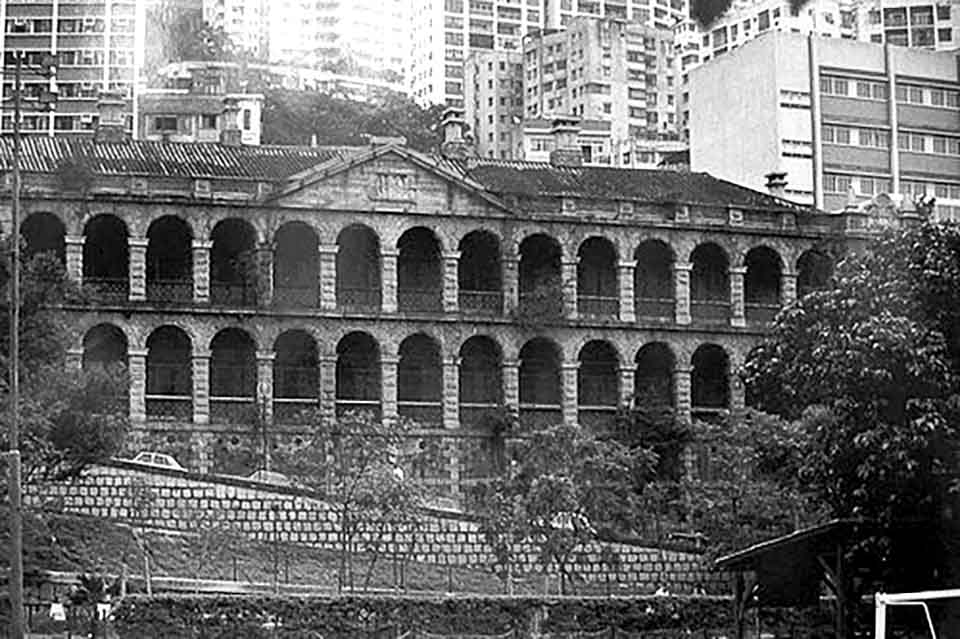
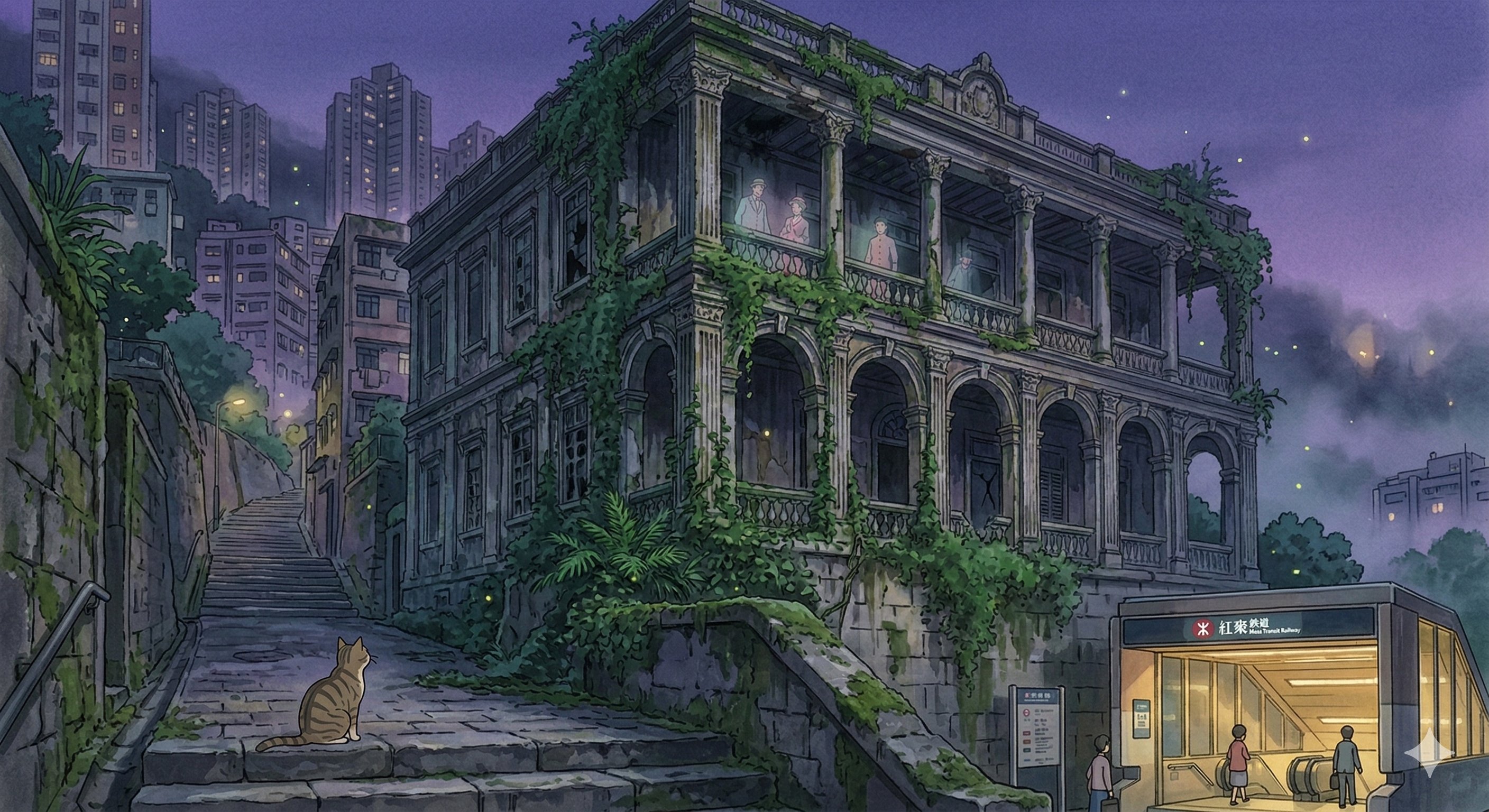
Photograph of the Old Mental Hospital on High Street, Sai Ying Pun — the baroque facade with arched verandas, now a community complex Ghibli-style illustration of the abandoned High Street Ghost House with an MTR station below in Sai Ying Pun
Photograph · High Street
Artist’s Impression · 2026
← Drag to compare →
Feature

“The Ghost House on High Street”

A building that was a hospital, an asylum, an execution hall, a ruin, and finally — after 123 years — a community centre

There is a building at the corner of High Street that has lived more lives than most cities. Built in 1892 in handsome baroque style for European nurses, it became a mental hospital by 1939. When the Japanese occupied Hong Kong in 1941, local accounts say it was used as an execution hall, with a mass grave dug in the neighbouring park. After the war it returned to psychiatric use until 1971, then stood abandoned for twenty years.

In the silence, neighbours reported translucent figures pacing the verandas at night, headless apparitions in the corridors, screaming from empty rooms. It became the most famous haunted building in Hong Kong.

“In the 1970s, the MTR planned a station here. The ghosts, they say, killed it.”

The official explanation was geological — soft, waterlogged ground. But for 45 years, Sai Ying Pun was the only major district on the north shore without a train station. The Ghost House was renovated in 2001 and declared a monument in 2015. And on March 29 of the same year, the impossible happened: Sai Ying Pun MTR station opened. Property prices surged. Cafes replaced hardware shops. The ghosts of High Street, it seems, finally had new neighbours.

End of report •
Tram Schedule

Kennedy Town → Shau Kei Wan
Every 2–5 min · HK$3.00 flat fare
“The world’s cheapest history lesson.”

Did You Know?

Sai Ying Pun’s name (西營盤) means “Western Military Camp.” The camp housed Bengal Volunteers from India — the forgotten founders of Hong Kong.

Visit Today

Sai Ying Pun Community Complex
(formerly the High Street Ghost House)
2 High Street, Sai Ying Pun
Open daily. Ghosts not guaranteed.

Editorial
From the Editor’s Desk

Every Layer Contradicts the One Beneath It

Walk through Sai Ying Pun today and you walk through layers. The MTR station sits on soil that once held military tents from Bengal. The community complex stands where patients screamed and prisoners vanished. The streets where 100,000 people fled the plague are now lined with specialty coffee shops.

The name endures: 西營盤 — the Western Military Camp. A name given by Cantonese speakers to an encampment of Indian soldiers serving a British commodore, on land taken from a Chinese empire, on a shore where Tanka fishermen had lived for centuries.

Every layer contradicts the one beneath it. That is the story of Sai Ying Pun. That is the story of Hong Kong. — Ed.